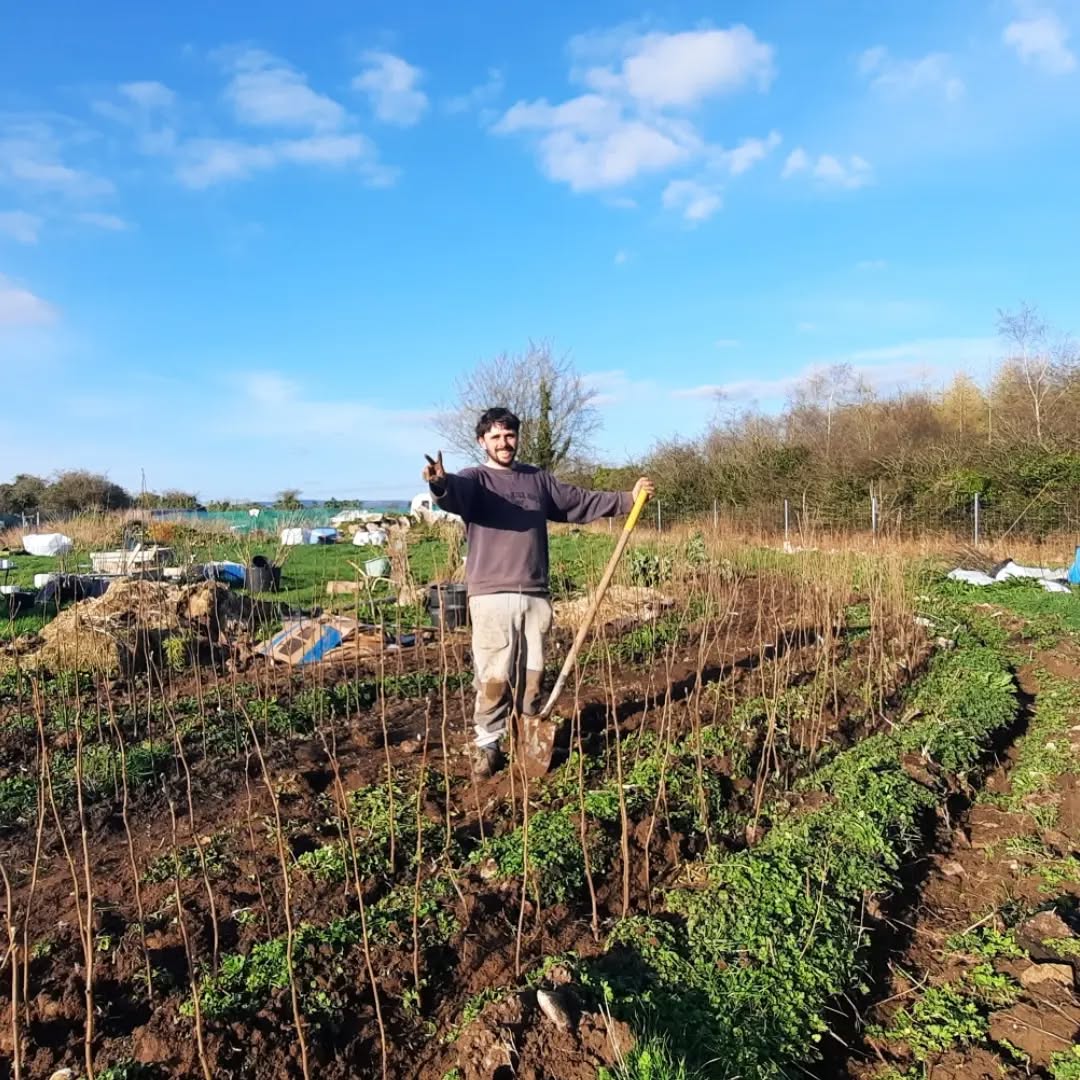
Foodtree Collective’s Native Tree Nursery is based in Tulla, County Clare, where we grow native and food-bearing trees suited to Ireland’s soils and climate.
We supply trees for individual gardens, community projects, farms, and reforestation initiatives, offering both retail and wholesale options…
What we grow
We specialise in:
Agroforestry and hedgerow species suited to Ireland
Native trees such as hazel, birch, alder, hawthorn, and willow
Food-bearing species including apple, plum, cobnut (hazelnut), chestnut, and more
Winter Stocklist 2024 / 2025
All trees are grown locally and ethically in Tulla, Co. Clare.
Orders can be placed by email or by scheduling a visit to the nursery.
Orders can be collected by appointment at the nursery in Tulla, or for orders bigger than 10 trees we provide delivery.
Please note: All Foodtree stock is seasonal, therefore certain species like Apple trees will be available only during Apple-season, and species suitable for Winter will be available at that time of year etc.
(Discounts available for bulk orders of 50+ trees.)
Cobnut (native variety of hazelnut)

Cobnut is a lesser known native variety of hazelnut. It is a highly reliable nut-producing tree ideal for Irish conditions. Excellent for food forests, hedgerows, and wildlife. The nut can be used in the same way as hazelnut, and makes delicious nut-butters.
- Price (depending on variety): €12.50-€13.50 each | Bulk (50+): €11.50–12.50
Varieties available: Nottingham; Cosford; Webbs Prize; Kentish; Halls Giant; Lombardi; EMOA1
Walnut
A long-lived tree producing nutritious nuts. Prefers deep, well-drained soil and sunny conditions.
- Seed Grown Walnut – €4 each
- Grafted Walnut – €42 each
Sweet Chestnut

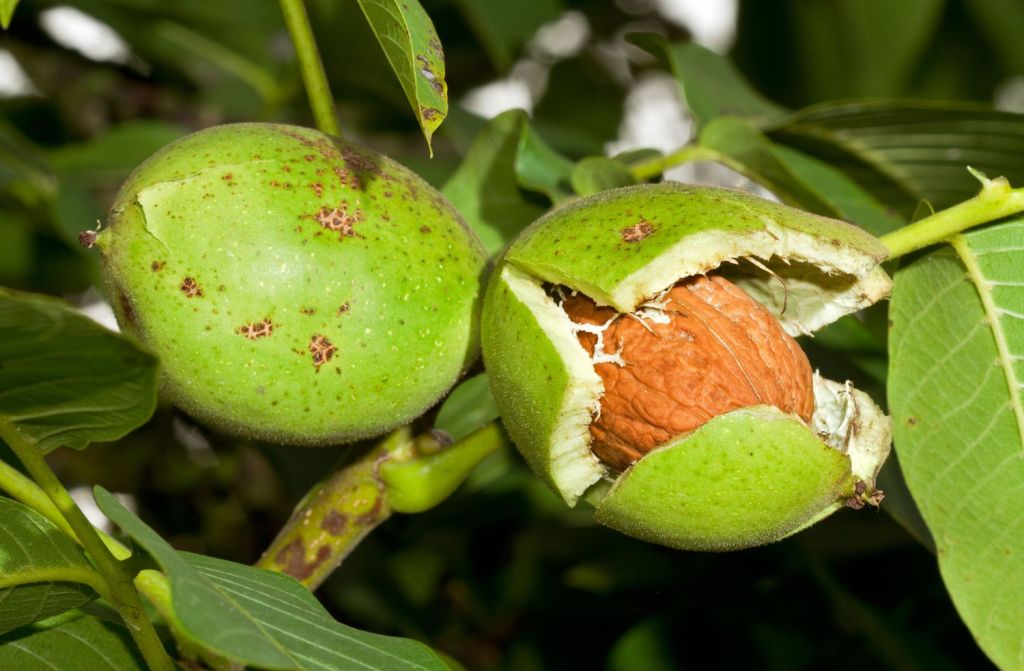
A well-known tree providing edible chestnuts. Excellent for agroforestry systems and provides a delicious nut. This fruit is traditionally roasted eaten in the Winter months.
- Grafted Sweet Chestnut — €42 each
- Seed Grown Sweet Chestnut — €4 each
Autumn Olive (Elaeagnus umbellata)
A nitrogen-fixing shrub producing edible red berries. The fruit is highly nutritious, high in Vitamin C. The berry can be used to make a delcious, tart jam.
- Seed grown Autumn Olive – €7 each
Barberry (Berberis vulgaris)
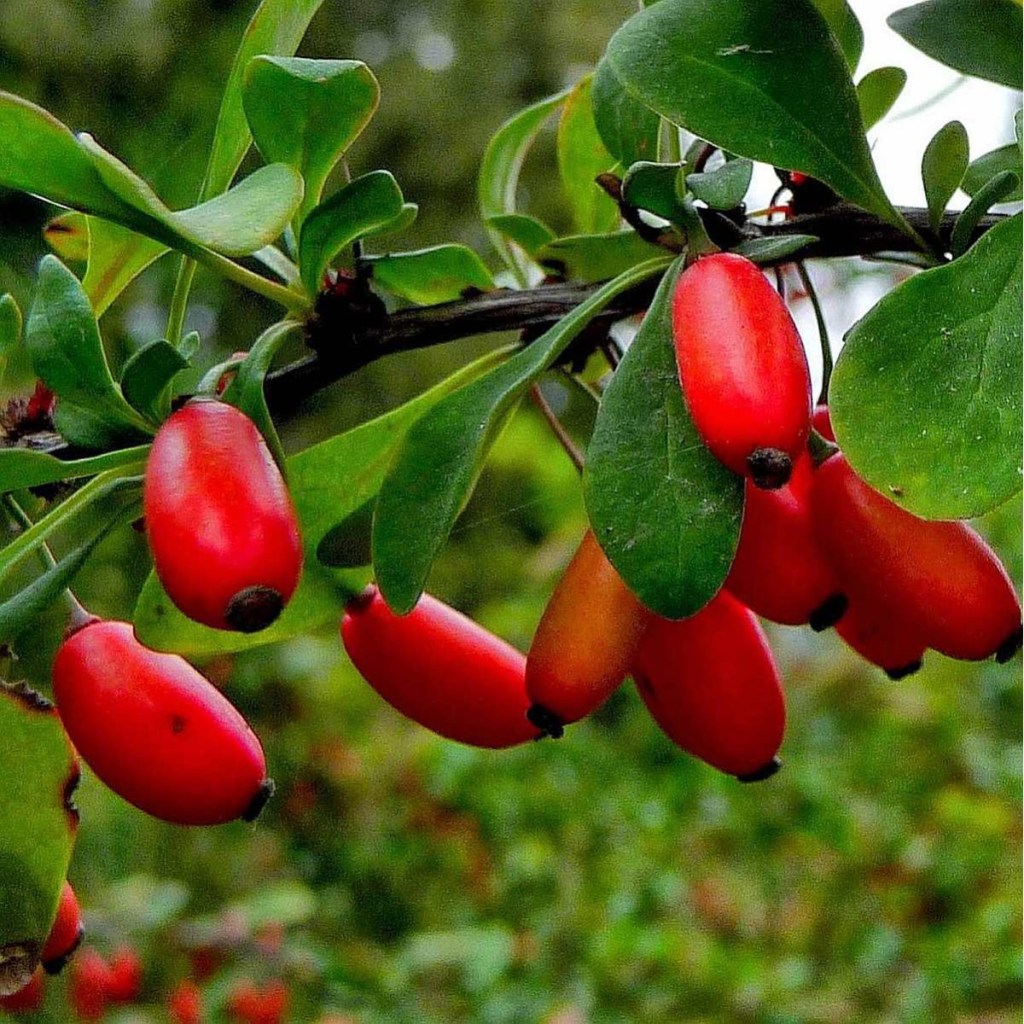
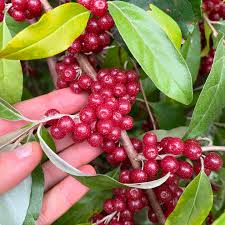
This is a hardy, wildlife-friendly shrub with bright berries. Barberry plants are both edible and medicinal. This applies to all parts of the plant, not just the berries, and the leaves are also commonly eaten.
- Seed Grown Barberry — €7 each
Frequently Asked Questions
Many people are interested in growing their own foodtrees but are often unsure where to start. The variety of different trees, options and growing methods can feel overwhelming. Here are some common questions people have about growing foodtrees.
Feel free to reach out for advice or guidance and a member of our team is always available to advise you.
What is a ‘foodtree’?
A foodtree is any tree or shrub that provides food for people or wildlife — from nut and fruit trees to berry-producing shrubs and nitrogen-fixing support plants. Together, they form the backbone of regenerative food forests, helping to build resilient, edible landscapes.
Why is growing our own food good for the environment and/ or our health?
Growing food locally reduces the environmental cost of transport, packaging, and intensive farming. Trees and perennials also store carbon, improve soil health, and support biodiversity.
For people, tending edible landscapes means fresher, more nutritious food and a stronger connection to the land — benefits for both physical and mental wellbeing.
Why are grafted trees more expensive?
Grafted trees are made by joining a high-quality variety (chosen for its taste, yield, or disease resistance) onto a strong rootstock. This process takes skill and time but ensures consistent results — the tree fruits earlier and more reliably than one grown from seed.
How do I start growing trees?
Start small and observe your space — consider light, soil type, and drainage. Choose native or climate-suited species, and plan for long-term growth.
Plant young trees during the dormant season (November–March), mulch well, and water during dry spells. We’re always happy to advise on suitable species and planting methods for gardens, farms, or community projects.
Can I visit the nursery?
Yes, visits to our nursery in Tulla, Co. Clare, are welcome by appointment. You can explore the trees, learn about native food forestry, and place orders in person. To schedule a visit, email us.
Can I order trees in bulk for a community project or business?
Yes. We supply trees to individuals, schools, community groups, farms, and businesses. For larger or wholesale orders, please email us directly with your requirements so we can advise on availability, pricing, and planting support.
 FoodTree